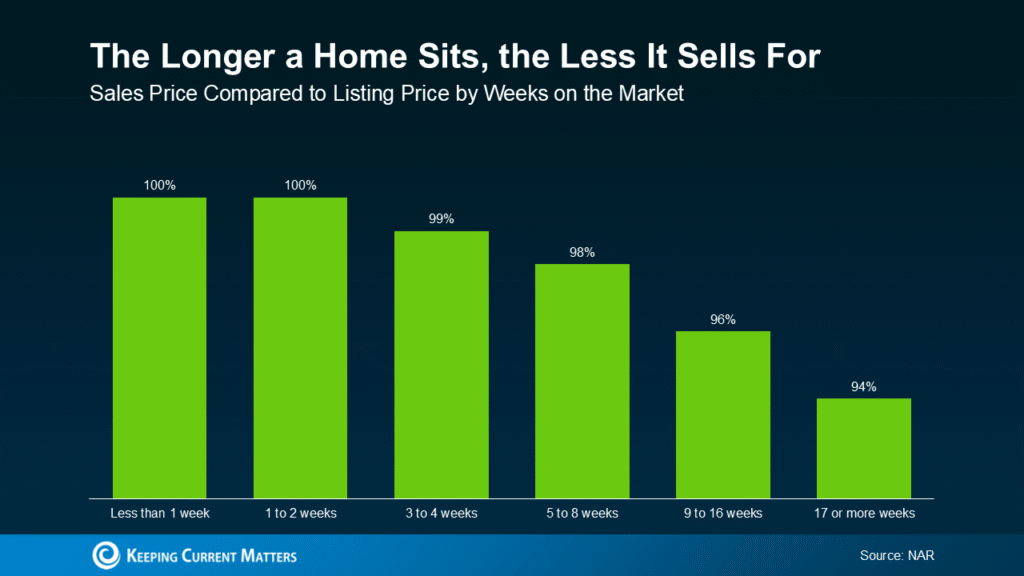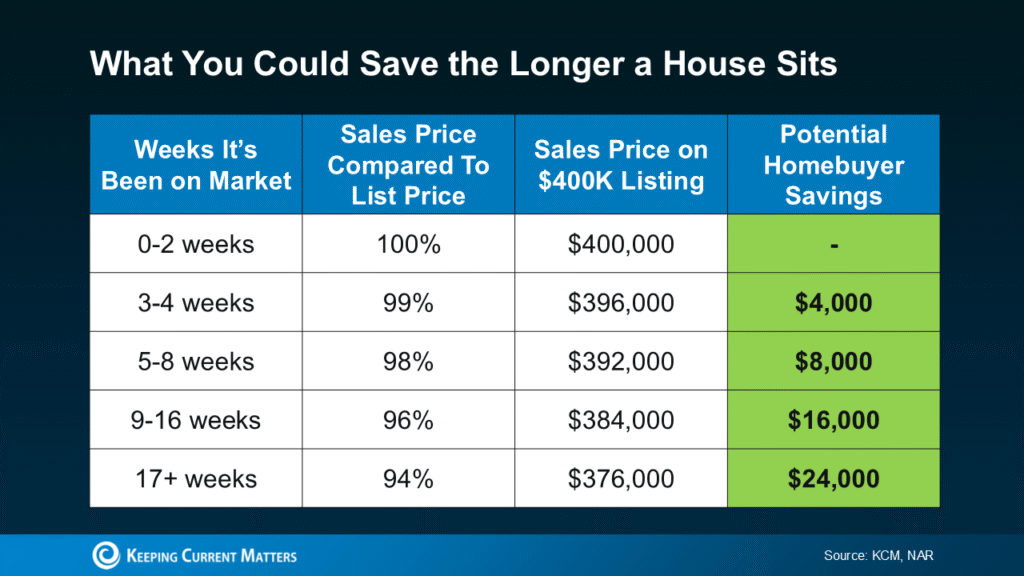


Most buyers open a real estate app and immediately sort by “newest.” That is understandable. New listings feel exciting, clean, and full of possibility. They also tend to attract the most attention—and often give the seller the most leverage.
The best deal may be hiding in the opposite direction.
Look at the homes other buyers have already scrolled past. A listing that has been on the market longer, received a price reduction, fallen out of escrow, or failed to attract multiple offers may give you room to negotiate price, closing costs, repairs, a rate buydown, or better contract terms.
But days on market alone do not make a home a bargain. The goal is to find an overlooked property where the condition, price, seller motivation, financing, and your long-term needs all make sense.
The best deal is not necessarily the lowest price. It is the strongest combination of purchase price, monthly payment, cash required, property condition, contract protection, and long-term value.
The hidden opportunity is often an overlooked listing.
A brand-new listing may have several showings scheduled before you arrive. The seller may expect multiple offers and may be less willing to discuss credits, repairs, or flexible terms.
A home that has been listed for several weeks or months tells a different story. The seller has already experienced the market. The original excitement has passed. Carrying costs continue. Moving plans may be delayed. The seller may be more open to a serious buyer with a clean, well-structured offer.
“Do not ask only, ‘What is new?’ Ask, ‘What has been sitting—and why has no one solved the problem yet?’”
Pat Collins
That does not mean you should automatically submit a low offer. It means you have a reason to investigate.
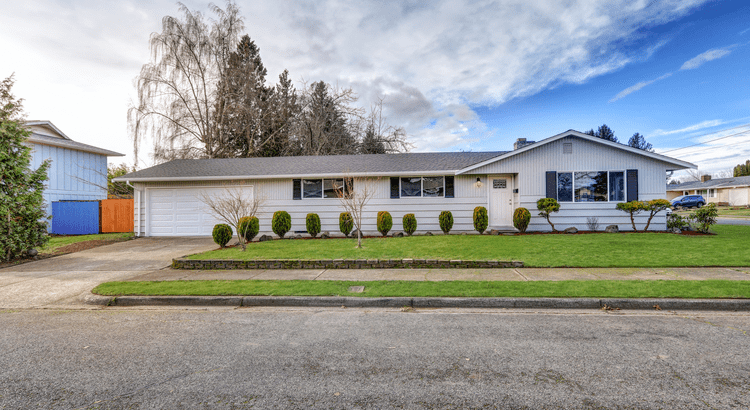
Why has the home been sitting?
Longer days on market are a clue. Your agent’s job is to help determine what the clue means.
The original price was too ambitious
The home may be perfectly acceptable, but the seller began above the market and lost the attention that normally comes during the first weeks.
The property has a real problem
Condition, location, insurance, title, permitting, appraisal, financing, or disclosure issues may be limiting the buyer pool.
Common reasons a home may remain available include:
- The initial list price was higher than comparable sales supported.
- The photos, staging, access, or marketing did not present the property well.
- The home needs cosmetic repairs that make buyers underestimate its potential.
- The seller has not responded to changing market conditions.
- A previous buyer canceled because of financing, inspection, appraisal, or personal circumstances.
- The property has functional, insurance, title, permit, or condition issues.
- The neighborhood, lot, floor plan, or location serves a smaller group of buyers.
Questions your agent should investigate
Before you decide the seller must be desperate, ask for the full listing history. Find out when the property first entered the market, whether it was canceled and relisted, how many price changes occurred, whether it previously went under contract, and why the prior transaction ended when that information is available.
Also compare the home with recent closed sales—not only other asking prices.
A $25,000 price reduction can look impressive. It means very little if the original price was $50,000 above market value.
A discount from an unrealistic list price is not the same as buying below fair market value.
Negotiate the whole deal—not only the price.
Buyers often treat the offer price as the only place to save money. It is not.
A motivated seller may be willing to negotiate several parts of the transaction:
- A lower purchase price.
- Seller-paid closing costs, subject to loan-program limits.
- A temporary or permanent interest-rate buydown.
- Repairs completed before closing.
- A credit for repairs you complete after closing, when allowed.
- A home warranty or other negotiated expenses.
- Appliances or personal property handled appropriately in the contract.
- A closing date, possession date, or rent-back that solves the seller’s timing problem.
Sometimes the seller cares more about certainty and timing than squeezing out the last dollar.
A fully underwritten or well-documented buyer, a reasonable inspection period, clear communication, and a closing date that fits the seller’s move may create value beyond price.
Do not remove protection just to make the offer look strong
Negotiating strategically does not mean ignoring risk.
Inspection, appraisal, financing, title, insurance, and disclosure review can protect you from turning a “deal” into an expensive mistake. The appropriate contingencies and timelines depend on the property, competition, contract, local practice, and your professional advice.
A bargain is not a bargain when the roof, foundation, sewer, electrical system, insurance eligibility, or unpermitted work creates costs you did not understand.
A price reduction and a seller credit solve different problems.
A lower purchase price may reduce the loan amount, monthly payment, property-tax basis where applicable, and total amount paid over time.
A seller credit may preserve your cash or help pay allowable closing costs, discount points, or a rate buydown. Depending on the numbers, the credit may create more immediate payment relief than using the same amount solely as a price reduction.
Here is a simplified illustration.
Negotiate a lower price
A price reduction lowers the amount financed, but the monthly change may be smaller than many buyers expect. It can still produce meaningful long-term savings.
Negotiate seller-paid costs
A credit may reduce the cash needed at closing or fund an eligible rate strategy. Limits and treatment depend on the loan program and transaction.
The right choice depends on your available cash, interest rate, loan type, expected time in the home, tax and insurance costs, appraisal, and the amount of credit the program permits.
Do not decide based on the size of the concession alone. Compare the actual monthly payment, cash to close, break-even period, and long-term cost.
See whether price, credits, or a rate strategy gives you the better result.
I can help you compare the estimated payment, cash required, seller-credit options, loan structures, and break-even period before you finalize the offer.
Talk With PatUse this six-step framework to find the opportunity.
Know the full housing payment you can comfortably manage, including taxes, insurance, mortgage insurance, homeowners association dues, maintenance, and utilities.
Ask your agent to identify high days-on-market listings, price reductions, back-on-market homes, expired or relisted properties, and homes with limited competition.
Review price changes, prior contracts, property disclosures, comparable sales, showing feedback when available, and the reason the home has not sold.
Separate cosmetic changes from structural, mechanical, safety, insurance, title, and permitting issues. Use qualified inspectors and contractors where appropriate.
Price matters, but timing, certainty, possession, and convenience may help you structure an offer that works for both sides.
Calculate the price, cash to close, payment, credits, repairs, rate strategy, reserves after closing, and long-term cost before calling it a deal.
What a strong buyer should have ready
Opportunity moves faster when you are prepared.
Have your income, assets, credit, debts, and down-payment funds reviewed before negotiating. Understand the maximum purchase price, but also establish your comfortable payment and cash-reserve target.
A buyer who knows the numbers can negotiate confidently. A buyer who is guessing may win the house and lose the budget.
Bottom line
The best deal may not be the home with the flashiest price reduction.
It may be the listing that has been overlooked, where the seller’s expectations have adjusted and the property gives you room to negotiate the entire transaction.
Look at days on market. Study the listing history. Understand why the home has not sold. Compare price, credits, repairs, financing, and monthly payment together.
Then make an offer based on facts—not excitement and not the assumption that an older listing must be a bargain.
When everyone else is chasing what is new, you may find your best opportunity by looking at what is still available.
Educational disclosure: This article is for general educational purposes and is not individualized mortgage, financial, tax, legal, real estate, inspection, appraisal, insurance, or contracting advice. It is not a commitment to lend or a guarantee of qualification, approval, rate, payment, property value, seller concessions, or transaction results. Concession limits, loan treatment, underwriting, appraisal, property eligibility, and contract requirements vary. Consult qualified professionals regarding your transaction.