

Homeowners often begin the selling process by asking one question: “How much can I get?” That is understandable. Your equity may fund the next home, retirement, debt reduction, an investment, or the next chapter of your life.
But the strongest sale does not begin with the highest possible number.
It begins with two decisions:
Price the home correctly from the beginning.
Give the market enough time to respond.
These sound simple. They are also where many sellers get into trouble.
You control the preparation, the pricing strategy, the presentation, and how you respond to feedback. You do not control what buyers are willing and able to pay.
Before you list, separate your goals from the market value.
You may need a certain amount of money to buy your next home. You may have invested heavily in improvements. A neighbor may have sold for more. An online estimate may show an exciting number.
All of that is useful context.
None of it independently determines what a buyer will pay for your property today.
Market value is influenced by recent comparable sales, current competing listings, condition, location, lot, floor plan, upgrades, buyer demand, financing conditions, insurance costs, property taxes, and the number of realistic alternatives available to buyers.
“The market does not know what you paid, what you spent, or what you need next. It responds to the value buyers see today.”
Pat Collins

Number 1: Price it right from day one.
The first days on the market are valuable.
Your listing is new. Buyers receive alerts. Agents notice it. People who have been waiting for a home like yours may schedule showings quickly.
That attention is strongest when the price makes sense.
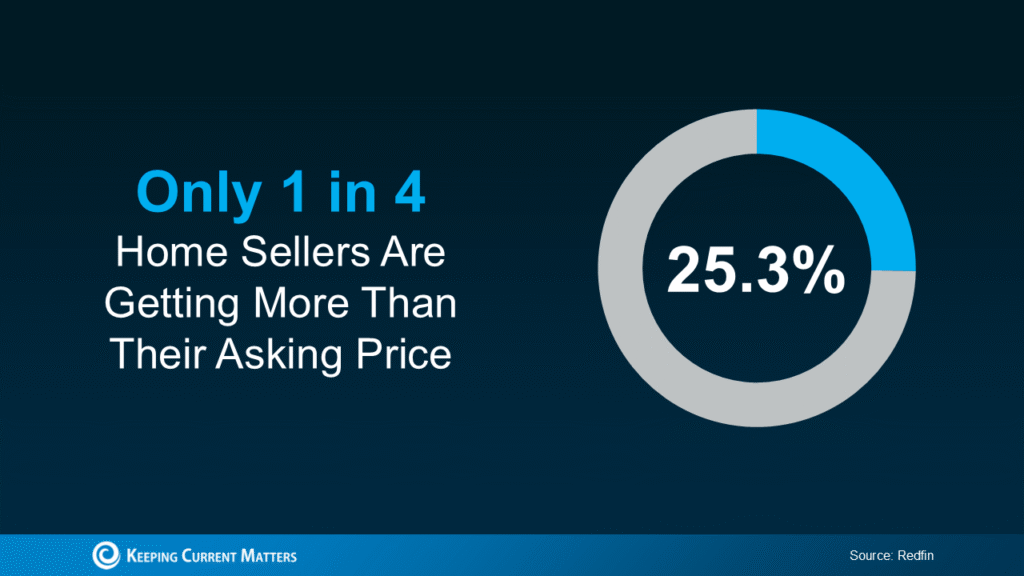
When the home is priced too high, buyers may not schedule a showing. They may compare it with better-equipped homes at the same price. They may wait for a reduction. Or they may assume the seller is not realistic and move on.
Creates a reason to act
The home appears competitive beside recent sales and current alternatives, which can increase showings, interest, and useful buyer feedback.
Can waste the launch period
The listing may sit while buyers choose other properties. Later reductions can help, but they cannot recreate the original first impression.
Pricing high “to leave room” can create the opposite result
Some sellers believe they should begin above market value because buyers will negotiate.
Sometimes that works.
But it can also reduce the number of people who see the home. Buyers search within price ranges. A property listed above its competitive range may appear beside homes with larger lots, newer renovations, better locations, or additional bedrooms.
Instead of creating negotiating room, the higher price may create a weaker comparison.
A buyer cannot negotiate on a home they never decide to visit.
Online estimates are a starting point—not a pricing plan
Automated estimates cannot fully evaluate the condition of your kitchen, the quality of a renovation, deferred maintenance, the view, the street, the floor plan, unpermitted work, or how buyers are responding to nearby listings this week.
A thoughtful pricing analysis should include:
- Recent closed sales that are genuinely comparable.
- Active listings buyers will compare with your home.
- Pending sales that show what is attracting offers.
- Expired, canceled, or withdrawn listings that reveal what did not work.
- Price reductions and days on market in your area.
- Your home’s condition, improvements, location, and unique features.
The best opening price is not designed to make the seller feel good for one day. It is designed to create the strongest possible buyer response.
The market gives feedback. Read it early.
Once the home is listed, buyer behavior becomes data.
High online activity but very few showings may indicate the price or presentation is not strong enough to move buyers from interest to action.
Showings without offers may point to condition, layout, location, price, or a mismatch between the photos and the in-person experience.
Very little online engagement may mean the home is not reaching the right audience, the marketing needs work, or the price is outside the range buyers are searching.
One comment does not determine value. Patterns matter.
Your agent should help you review showing activity, online engagement, buyer feedback, competing listings, new sales, price changes, and any shifts in the local market.
A price adjustment is not automatically a failure. It can be a strategic response to new information.
The mistake is waiting so long that the listing becomes stale while competing homes continue to sell.
Number 2: Give the selling process enough time.
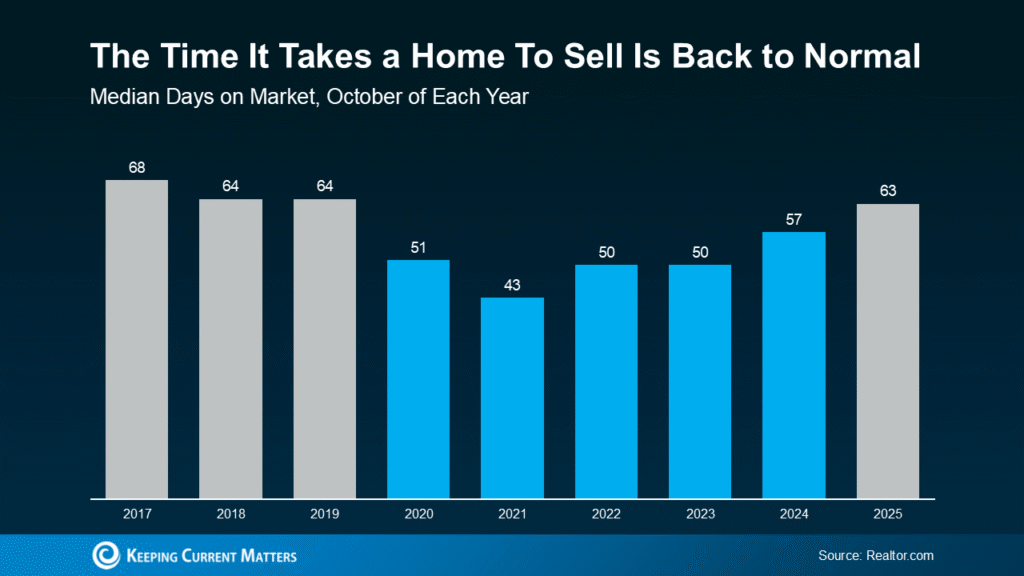
Many homeowners still compare every market with the unusually fast conditions of 2020 and 2021.
Those years trained sellers to expect immediate showings, multiple offers, waived protections, and contracts within a few days.
That is not the normal standard for every market.
In a more balanced environment, buyers may take longer to compare properties, calculate the payment, review insurance costs, study the neighborhood, and decide whether the home fits their lives.
That can be healthy.
A home that does not sell during the first weekend is not automatically a failed listing.
Lets the plan work
The home is properly priced and marketed, showings are occurring, feedback is being reviewed, and the seller is making measured decisions.
Ignores clear market signals
Activity is weak, buyers consistently reject the value, competing homes sell, and no adjustment is made because the seller is waiting for one special buyer.
Patience does not mean doing nothing
Giving the market time means following a plan—not leaving the listing untouched indefinitely.
Your agent should establish checkpoints before the home is listed:
- When will you review online activity and showing volume?
- How will buyer and agent feedback be evaluated?
- What competing listings will be monitored?
- What conditions would support a price or presentation change?
- How will your timeline affect future decisions?
This keeps you from reacting emotionally to one quiet weekend or ignoring several weeks of consistent feedback.
Your carrying costs belong in the pricing conversation
Every additional month may include mortgage payments, property taxes, insurance, utilities, maintenance, homeowners association dues, and the cost of delaying your next move.
Holding out for a higher price can be reasonable when the data supports it.
Holding out for an additional amount that is smaller than the cost and risk of waiting may not be.
Know what you need from the sale before you choose the list price.
I can help you think through estimated proceeds, the next-home payment, available financing strategies, and the timing between selling and buying.
Talk With PatUse this seller action plan before the listing goes live.
Review the likely selling price, mortgage payoff, commissions, closing costs, repairs, credits, taxes, moving expenses, and cash needed for the next step.
Compare your home with recent sales and the properties buyers can choose today—not only the highest sale in the neighborhood.
Address cleanliness, clutter, lighting, curb appeal, minor repairs, staging, photography, and anything that could distract buyers from the home’s value.
Use the local market, buyer search ranges, condition, competition, and your timeline to create a price that attracts serious attention.
Decide in advance when activity, feedback, price, presentation, and strategy will be evaluated so you do not react from fear or frustration.
Understand whether you must sell first, how much equity may be available, what payment is comfortable, and how temporary housing or overlapping ownership could affect you.
Price and timing work together
A well-priced home can still require patience.
A home given plenty of time can still fail when the price is disconnected from the market.
That is why these two lessons cannot be separated.
Price determines whether buyers see the value.
Time gives the right buyers an opportunity to act.
Bottom line
Before you sell, remember two things.
Price the home for the market you have—not the market you remember or the number you hope to receive.
Give the process enough time—but stay willing to respond when the market gives you consistent feedback.
The listings that struggle are not always bad homes.
Many are simply launched with the wrong price, the wrong expectations, or no clear plan for what happens when buyers respond differently than the seller expected.
Start with facts. Prepare the property. Understand your proceeds. Set review points. Then work the plan.
A successful sale is not about guessing the perfect day. It is about making disciplined decisions from the first day.
Educational disclosure: This article is for general educational purposes and is not individualized mortgage, financial, tax, legal, real estate, appraisal, inspection, insurance, or contracting advice. It is not a guarantee of property value, marketability, selling price, timing, proceeds, financing approval, or transaction results. Real estate conditions vary by property and local market. Consult qualified professionals regarding your sale and future purchase.