 Skip to content



If you are buying or selling right now, you have probably asked the same question everyone else is asking.
Who has the upper hand?
Buyers want leverage. Sellers want top dollar. And the national headlines love to hand out one clean answer.
Neither side is fully right. And neither side is fully wrong. It depends entirely on where you live.
I want to walk you through the number that actually answers this question, and why the national headline is the wrong place to look for your answer.
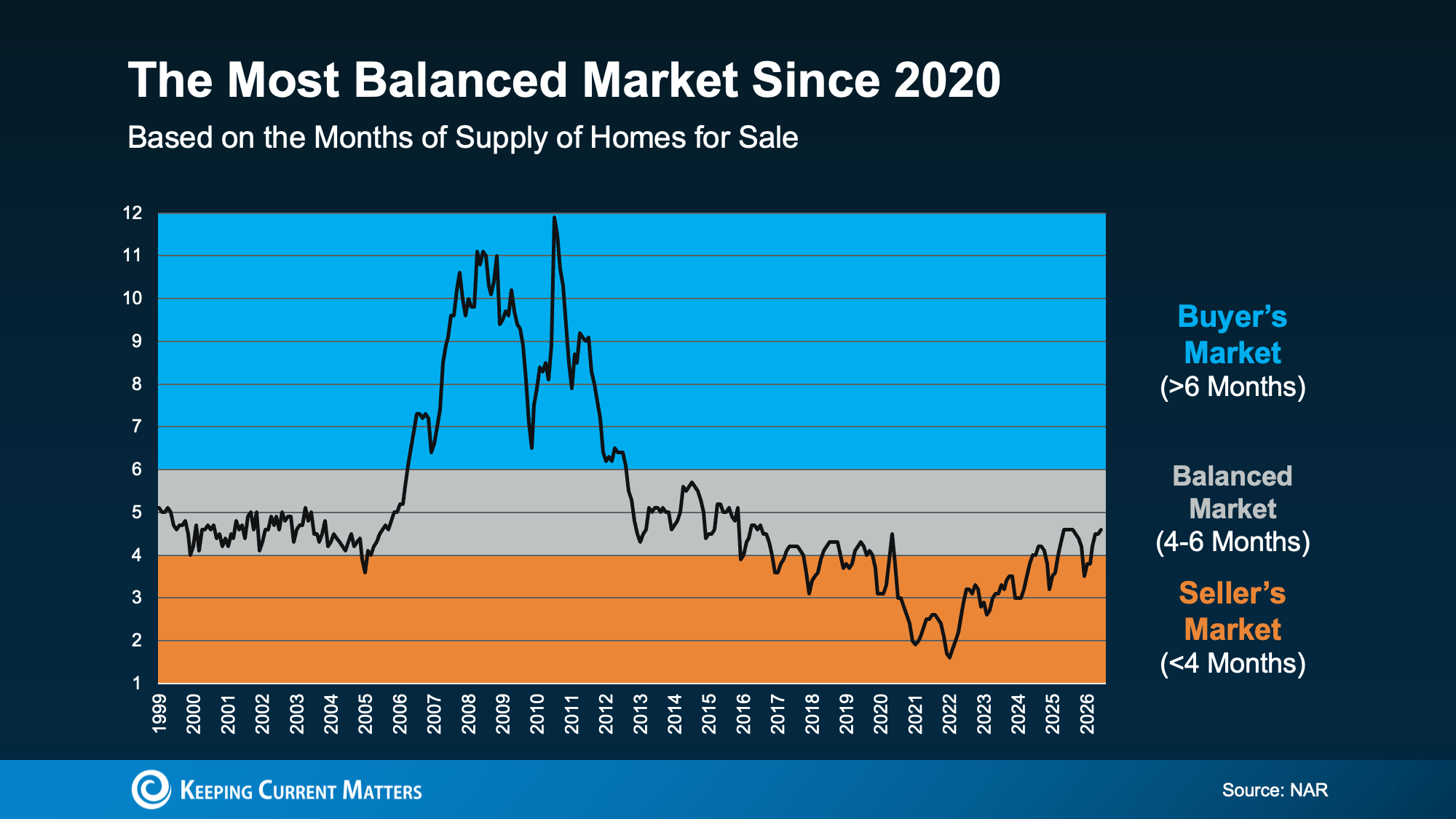
Months’ supply is the clearest shortcut for understanding who has leverage. Under 4 months generally favors sellers, 4 to 6 months is more balanced, and over 6 months generally gives buyers more negotiating room.
First, What Actually Decides Who Has the Upper Hand.
There is one metric that tells you who is holding the leverage in any market. It is called months’ supply.
It measures how long it would take to sell every home currently listed, at the current pace of sales, if no additional homes came onto the market.
Under 4 months
Not enough homes relative to buyer demand. Sellers generally have more pricing power and buyers may face more competition.
4–6 months / Over 6
Four to six months is generally balanced. Above six months, buyers typically gain more room to negotiate price, credits, repairs, and terms.
That is the whole framework. Simple. And it is the number every agent should be handing you before you write an offer or set a listing price.
Here Is What the Data Is Showing Right Now.
Nationally, the National Association of Realtors puts months’ supply at 4.6. That lands the country as a whole in balanced territory.
That is a meaningful shift after years when the market leaned heavily toward sellers.
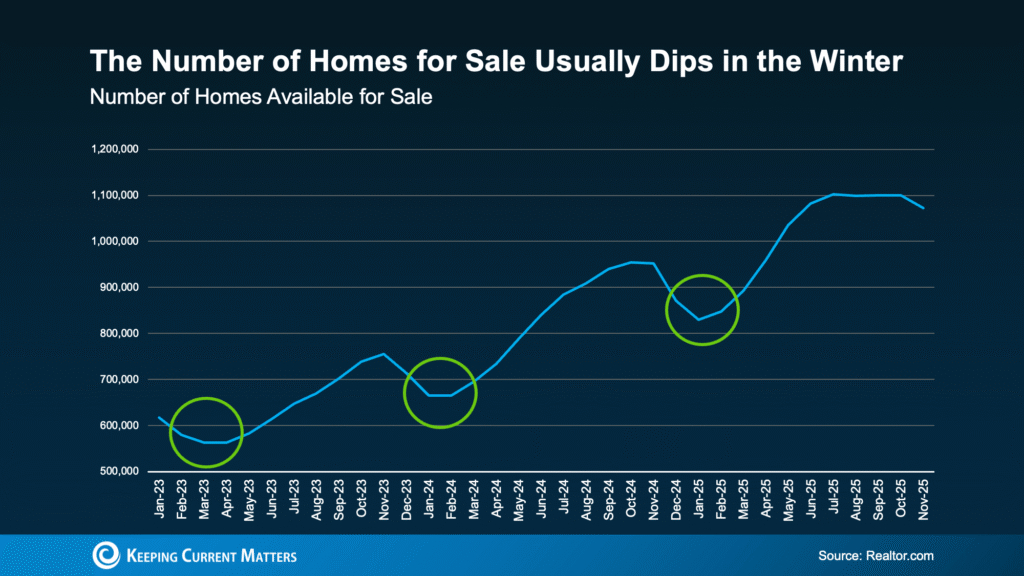
Some are calling this the most buyer-friendly national market in nearly six years.
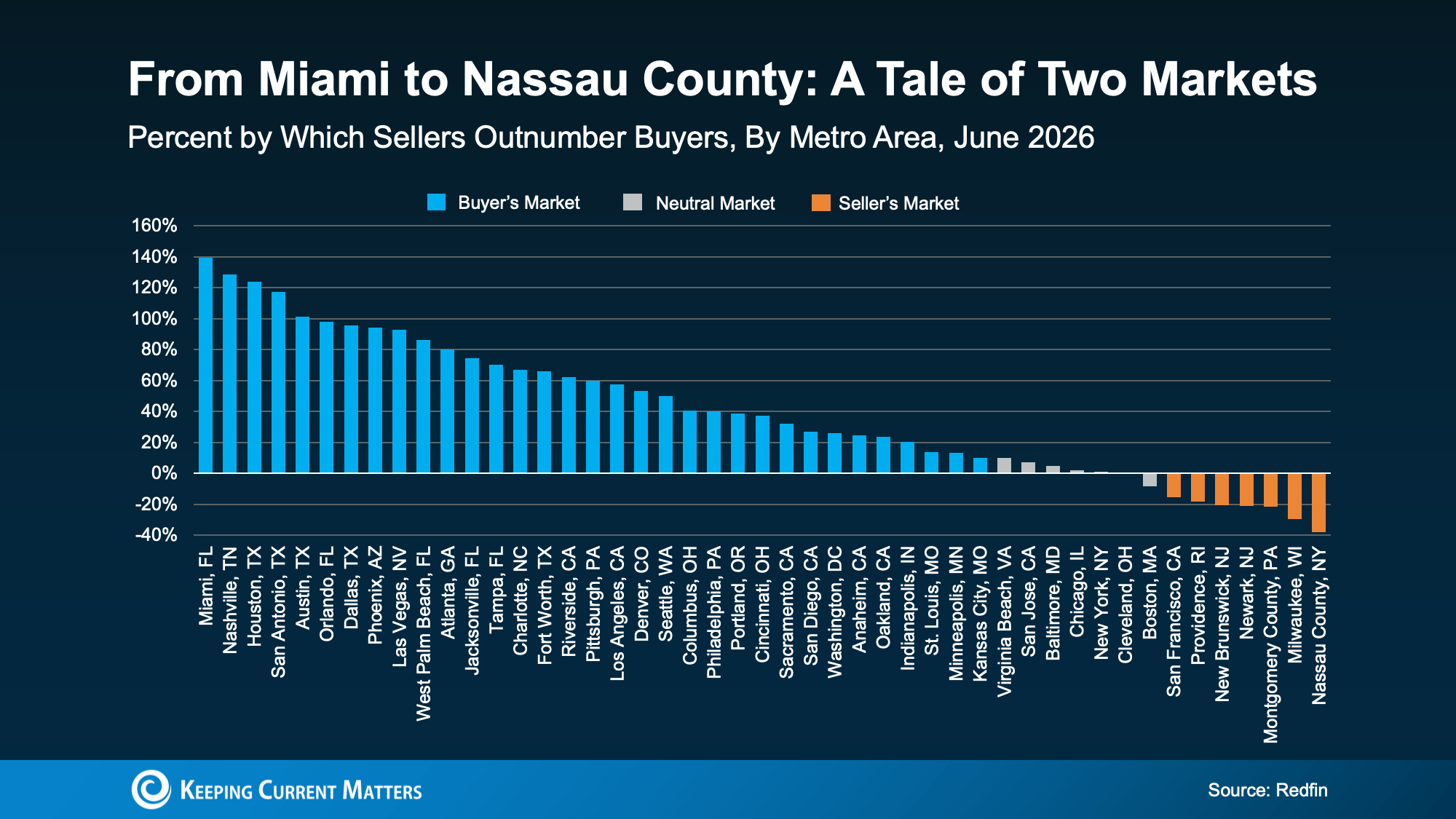
But that is a national average. And a national average is built by blending together hundreds of local markets that do not look anything alike.
Redfin’s metro-level data shows that clearly. Some markets sit firmly in buyer territory. Others are still tilted toward sellers. Many fall somewhere in between.
The national market sits in the more balanced 4-to-6-month range.
Scarcer inventory usually supports firmer pricing and faster buyer decisions.
More available inventory can create room to negotiate price, concessions, repairs, or other terms.
What the Headlines Always Leave Out.
Real estate has never been one national market. It is local, down to the neighborhood, price range, and property type.
The 4.6 months’ supply number is useful for understanding the overall direction of the country. It is close to useless for deciding what to offer on one specific house, or what to list yours for.
This is why I tell every couple I work with the same thing: stop reading the national number and start finding out what months’ supply looks like where you actually live. That is one phone call to a local agent, not a national headline.
The same principle applies to home-price trends in your local market. National movement gives you context. Your city, neighborhood, condition, price point, and buyer pool determine the strategy.
And if you are buying, the local balance helps determine whether you should chase the newest listing or look for homes that have been sitting longer and may offer more negotiating room.
Same overall housing market. Very different experiences.
That is why local months’ supply matters more than the headline.
What This Means For Your Plan.
If you are buying:
Find out your local months’ supply before you write an offer. If your market is still tilted toward sellers, that changes how fast you move and how you structure the offer. If your market has shifted toward buyers, you may have real room to negotiate price, credits, repairs, or timing — and you should not be afraid to ask.
That is where the broader strategy in finding the best deal possible on a home becomes useful. Leverage is not only about lowering the price. A seller credit, repair, rate buydown, or more favorable term may solve a bigger problem for your budget.
Either way, negotiating power only helps you if your own numbers are ready to act on it. Under Rule 8 in our system, keep your DTI at 35% or below before you go to a lender. Under Rule 6, have at least 10% down, ideally 20% when the numbers support it and you want to eliminate conventional PMI. Leverage in the market does you no good if you are not prepared to use it.
A slower market can also give you more time to compare homes and make a confident decision instead of reacting to every new listing.
If you are selling:
That same local number tells you how to price and how long to expect your home to sit. A market with a lower months’ supply can support a firmer price. A market with more supply may mean pricing sharp from day one, planning for a longer runway, and being realistic about concessions.
This is exactly why pricing and timing matter before you list. You do not want to price your home for last year’s seller advantage if your neighborhood has already shifted.
Under Rule 11 in our system, that runway is also why a full emergency fund matters if you are selling and buying at the same time. A home that takes longer to sell should never turn into two mortgage payments you cannot comfortably carry.
If both transactions are happening together, review whether buying first or selling first puts you in the stronger financial position. Your equity, DTI, reserves, local days on market, and the risk of overlapping payments should all be part of that decision.
Market leverage only works when your own numbers are ready.
If you are buying, selling, or doing both, we can review the mortgage side of the plan — income, debts, DTI, down payment, reserves, current equity, and the payment you actually want to live with after closing.
Talk With PatThe Question You Should Be Asking Together Right Now.
Not: Who has the upper hand nationally?
The real question is: What does months’ supply look like in our specific zip code, and are we positioned to act on whatever that number tells us?
My wife and I have bought, sold, and helped couples do both through markets that leaned every direction in 34 years of marriage and real estate. The couples who came out ahead were never the ones who knew the national trend. They were the ones who knew their own market, and had their own numbers ready before they needed them.
Call a local agent and ask for your actual months’ supply. Then have the conversation with your spouse about what that number means for your plan.
That is how you turn a market headline into a decision you can actually use.
Educational disclosure: This article is for general educational purposes and is not individualized mortgage, financial, legal, tax, insurance, credit, appraisal, or real estate advice. Months’ supply, buyer demand, seller leverage, concessions, prices, days on market, mortgage-insurance requirements, and financing options vary by location, property, market conditions, loan program, and individual circumstances. National figures should not be treated as a substitute for current local market data or a professional property analysis. Consult qualified mortgage, real estate, legal, tax, insurance, appraisal, and financial professionals regarding your situation.
Reference sources: Keeping Current Matters — Who Has the Upper Hand in Today’s Housing Market? and National Association of Realtors — Existing-Home Sales.