 Skip to content



For more than a year, the headlines warned that home prices were headed for a crash. They did not crash. Now the latest data is showing another shift that many buyers and homeowners have not noticed yet: in more markets, prices are beginning to move higher again.
That does not mean every city is suddenly booming. It means the slowdown that shaped the past year may be reaching its floor. For couples still working toward a home, and for homeowners watching their equity, that change deserves attention.
The national market is not surging everywhere, but fewer major markets are declining and more are beginning to rise. The window of softer pricing and stronger buyer leverage may be starting to narrow.
First, where home prices have actually been.
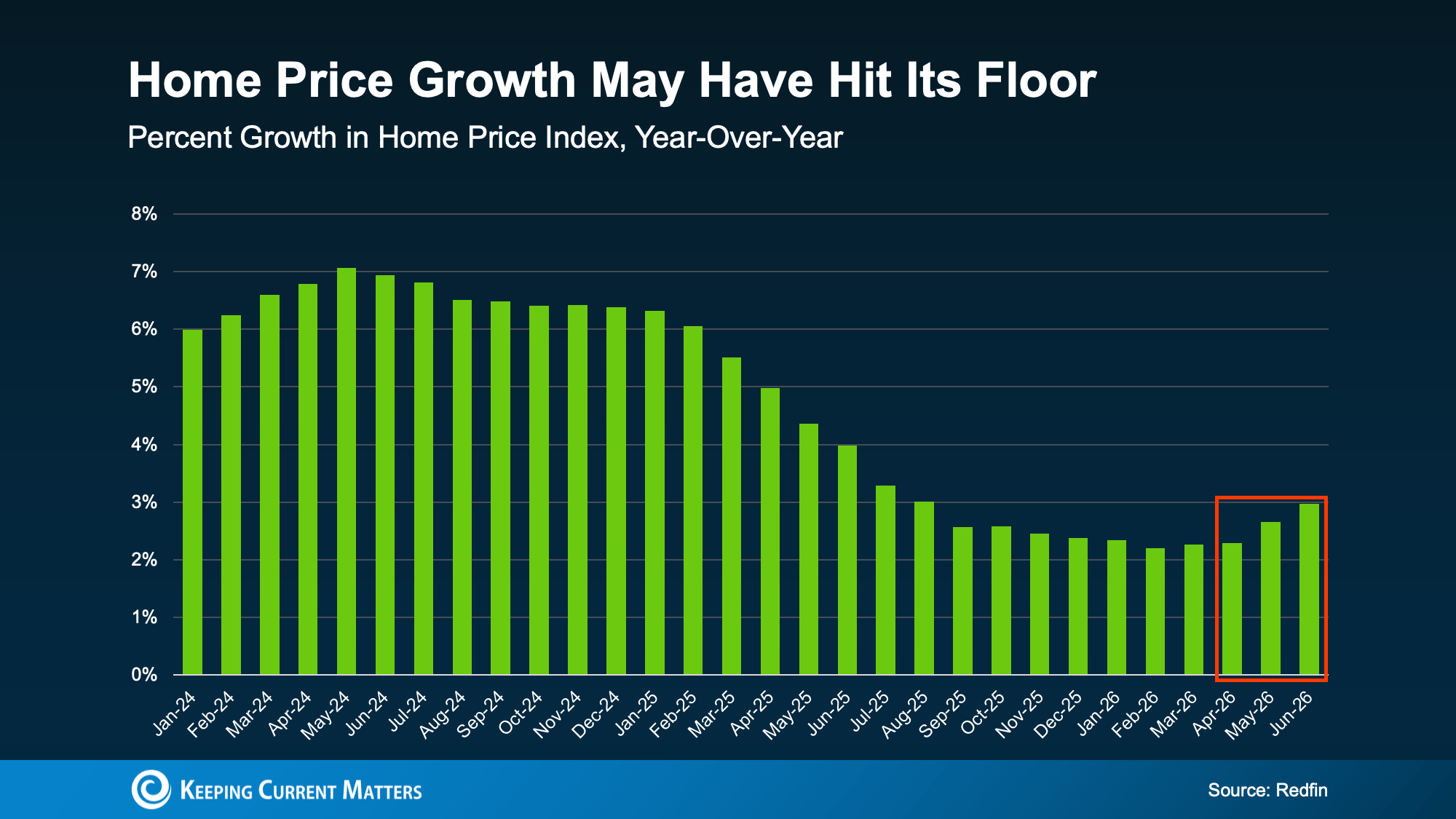
In mid-2024, home prices were growing at roughly 7% nationally. That pace cooled significantly.
Some markets saw prices dip. Buyers gained more time to compare homes and a little more room to negotiate. Many couples I speak with decided to wait, watch the headlines, and hope for a correction that would finally make the numbers easier.
That waiting period may be ending.
The point is not that prices are about to accelerate everywhere. The point is that the direction of the market appears to be changing. Once that shift becomes obvious in the headlines, prepared buyers may find that the easiest negotiating window has already passed.
Here is what the data is showing right now.
According to Redfin data, the home-price growth rate that had been falling for more than a year appears to have turned a corner.
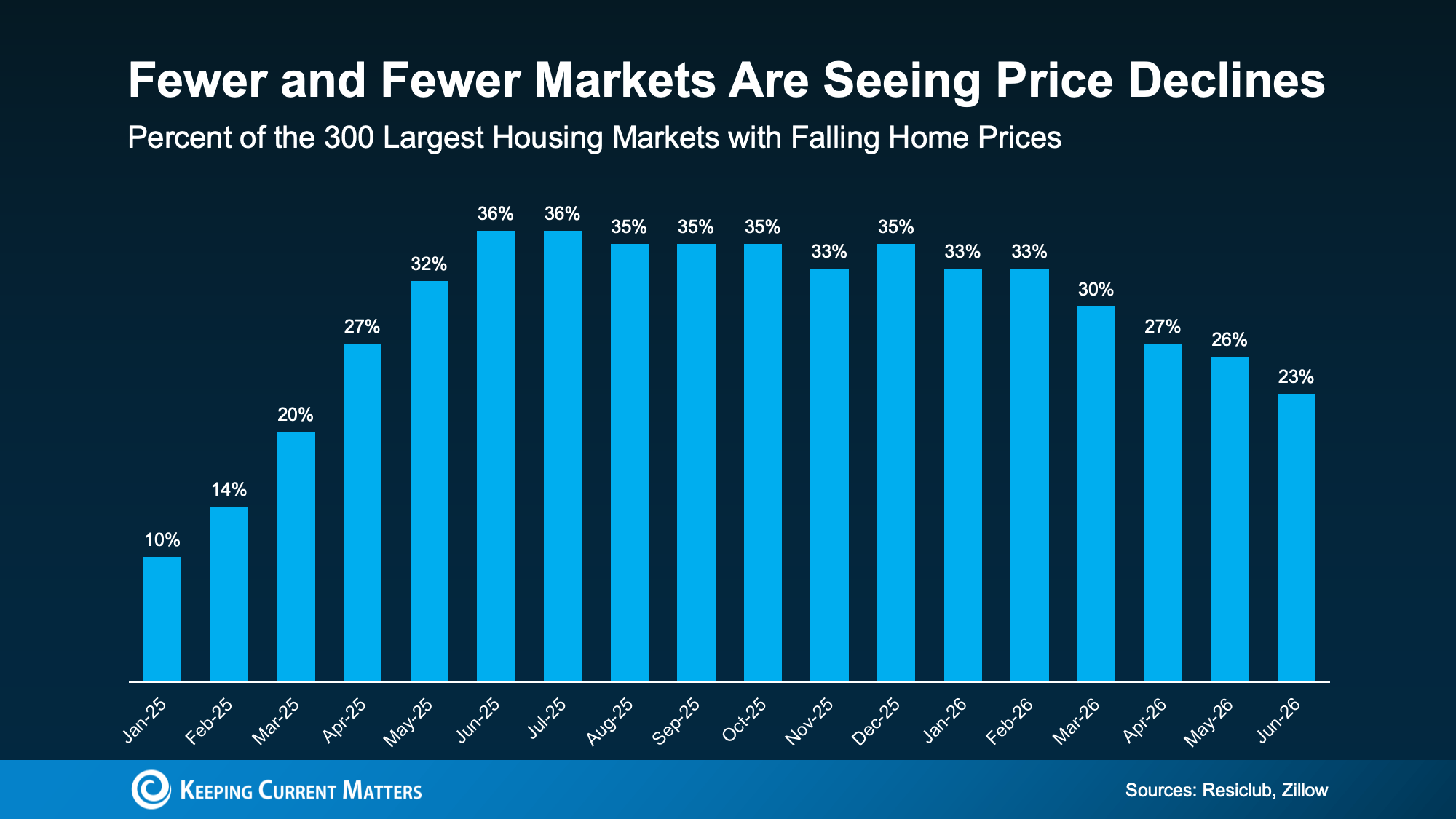
36% of major markets were declining
About 36% of the 300 largest housing markets were seeing home prices move lower.
That share has fallen to 23%
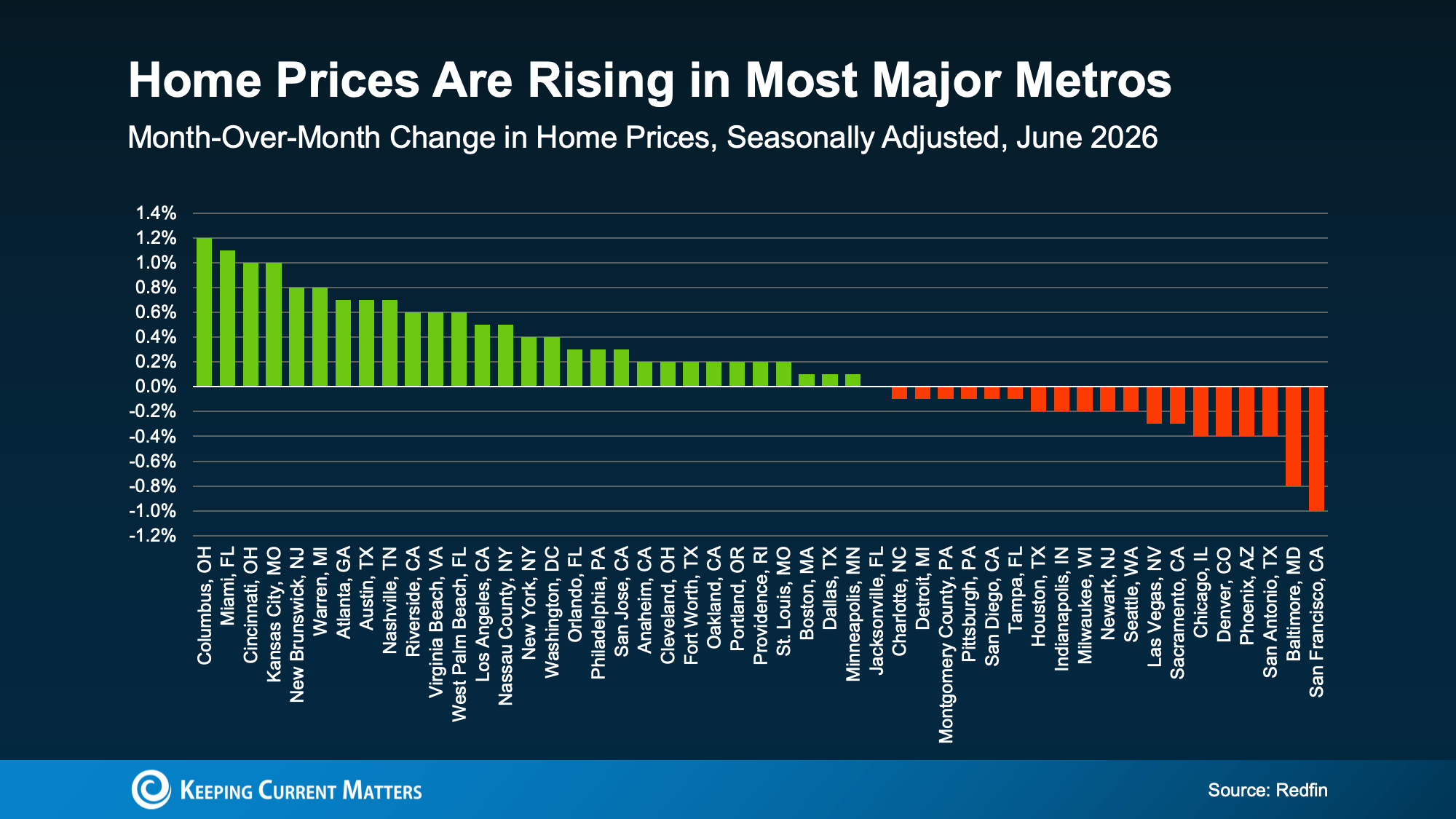
Fewer markets are falling, while a growing number of metros are beginning to move higher again.
Expert forecasters are projecting national home prices will rise about 2.3% this year. For that forecast to hold, price growth has to strengthen during the second half of 2026. The early data suggests that process may already be underway.
Last month, more than half of major metros posted price increases. Just a few months earlier, the market was much closer to an even split between rising and falling areas.
“Fewer markets are falling. More markets are rising again. That is not just another headline. That is a change in direction.”
Pat Collins
For buyers, this matters because waiting is not only a bet on mortgage rates. It is also a bet on the future purchase price. As I explain in Buy Now or Wait? The Real Tradeoff With Mortgage Rates, a lower future rate does not automatically help if the home itself becomes more expensive.
What the national headlines always leave out.
Real estate is not national. It is local.
The national number is an average of hundreds of different markets. Some are climbing quickly. Some are still soft. Some neighborhoods can move in the opposite direction of the city around them.
The only market that matters for your decision is the market where you plan to buy or sell.
Selma Hepp, Chief Economist at Cotality, has pointed to stronger price acceleration in markets supported by job growth and income growth, including parts of the West and more affordable Midwest metros.
Stop making a housing decision from a national headline. Start with your city, your neighborhood, your price range, and the number of homes competing for the same buyer.
That local review should include recent comparable sales, active inventory, price reductions, days on market, and seller concessions. Those are the same market signals homeowners should understand before setting a price or choosing a timeline, which I cover in The Top 2 Things Homeowners Need To Know Before Selling.
What this means—depending on where you are.
If you are working toward buying your first home
The breathing room buyers have had over the past year—more negotiating power, more stable pricing, and fewer bidding wars in some areas—may not last forever.
If price growth picks up in your market, waiting can cost real money. Not in theory. In dollars added to the price of the next home you try to buy.
I have watched housing cycles and major financial decisions play out for decades. The couples who are ready when the market changes are usually the ones who used the slower period to get their finances aligned instead of simply waiting to see what happened.
Your DTI affects how much house you can reasonably carry. Lifestyle debt can quietly reduce buying power, even when income is strong. That is the problem behind self-inflicted inflation.
A larger down payment can lower the loan amount, strengthen the offer, and create more flexibility. Ten percent may be a practical target for some couples, while 20% may eliminate private mortgage insurance on a conventional loan.
Run the payment at several purchase prices and interest rates. A home that looks affordable by price alone can feel very different after taxes, insurance, mortgage insurance, and other housing costs are included.
Homes that have been sitting longer may still offer price cuts, closing-cost credits, or repair concessions. That is where buyers can sometimes find the best deal possible in the current market.
If your DTI is still too high or your savings are not where they need to be, that is the work right now. The math is not likely to become easier simply because you wait.
If you are already in position, do not sit on that readiness without checking what is happening locally.
Get clear on your payment, DTI, down payment, and local market.
A good decision starts with accurate numbers. I can help you compare your current position with the homes and price ranges you are considering.
Talk With PatIf you already own a home
You have likely continued building equity through the slowdown.
Lawrence Yun, Chief Economist at the National Association of Realtors, projects the typical homeowner will gain about $16,000 in housing wealth this year.
That is real money. If price growth continues to strengthen, those gains may increase. Your home is not only a place to live. It can also be one of the primary vehicles your family uses to build long-term and generational wealth.
Know your estimated value. Know what you owe. Know the approximate equity available after selling costs. Then have the conversation with your spouse about what that equity is meant to do next.
It may support the down payment on another home, help reduce debt, create reserves, or strengthen retirement planning. The important part is to treat the equity as part of the larger financial picture—not as an abstract number on a website.
The question couples should be asking right now.
Do not start with: “Will home prices go up or down?”
The better question is: What is the market doing in our specific area, and are we financially positioned to move when the opportunity is right?
My wife and I have been through multiple market cycles together during 34 years of marriage. The couples who build real wealth are not the ones who call every market perfectly.
They are the ones who stay aligned, keep working the plan, and move with intention when the window opens.
This may be one of those windows.
Bottom line
Home prices did not crash the way many headlines predicted. Now the data suggests the slowdown may be turning.
Fewer large markets are declining. More metros are moving higher. National forecasts call for modest price growth, but your decision still depends on your local market and your financial readiness.
If you are buying, use this period to reduce debt, strengthen savings, understand your payment, and watch the listings where sellers may still negotiate.
If you already own, understand your equity and decide how it fits into the next chapter of your family’s financial plan.
You do not have to predict the market perfectly. You do need clarity—and a plan that allows you to act when the right opportunity appears.
Pat Collins
Financial Coach | Mortgage Professional | Realtor
34 Years of Marriage and Real Estate — I have been on both sides of every table.
Educational disclosure: This article is for general educational purposes. Housing-market conditions, property values, price trends, buyer demand, loan options, qualification standards, and homeowner equity vary by location and individual circumstances. Forecasts are not guarantees. Consult qualified real estate, mortgage, tax, legal, and financial professionals regarding your situation.